
Restorative Dentistry in Maumelle, AR

Repairing damage, relieving pain, and restoring the way your smile works.

Whether it's a cavity, a damaged tooth, or something more serious, restorative dentistry is about getting your smile back to its full function. Dr. Graham approaches every restorative case with the same goal: to fix what's actually wrong, not just what's easiest to treat.

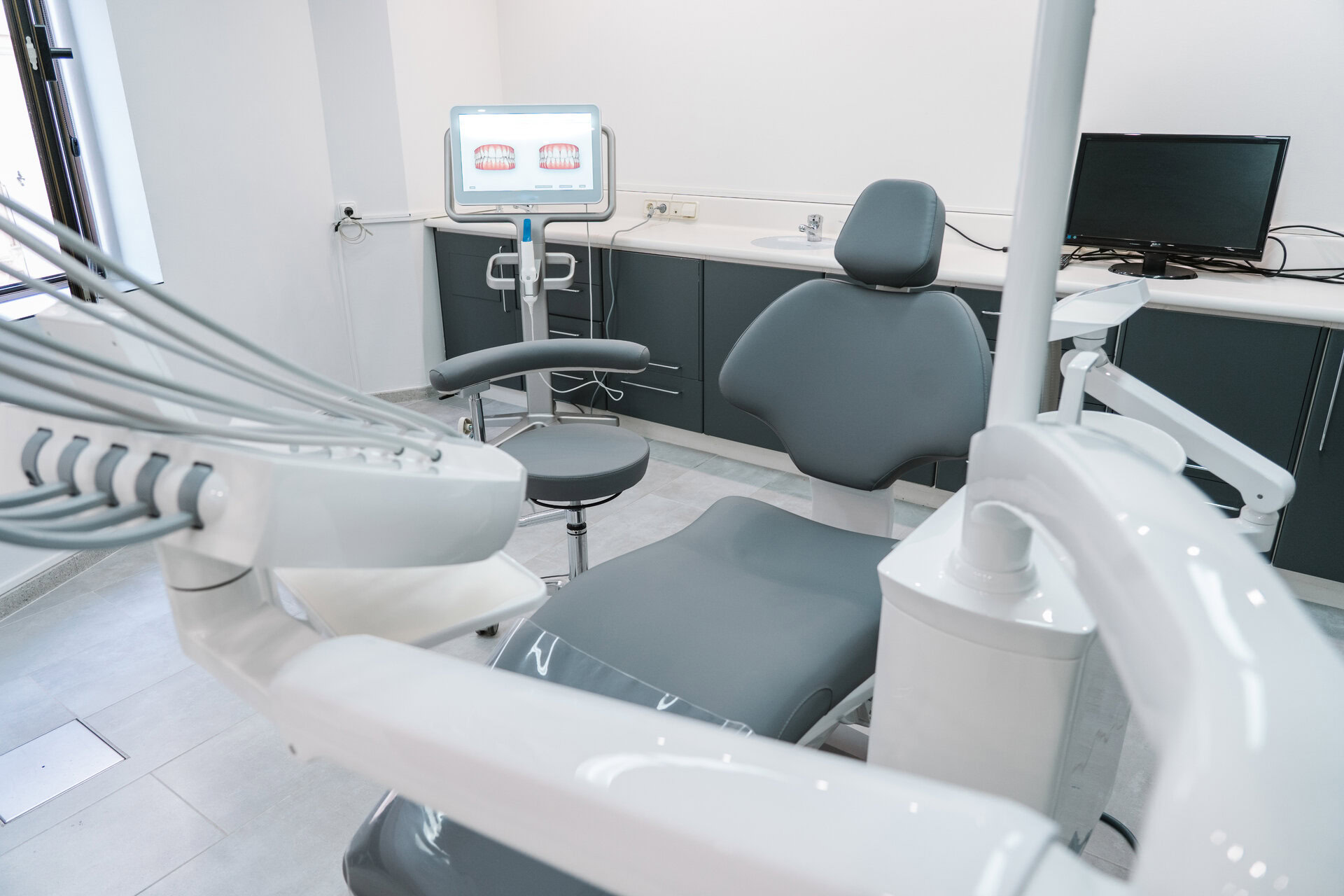
Dental treatment room at G Smiles Dentistry in Maumelle, AR

Diagnosis Before Treatment

Digital X-rays and CBCT imaging give Dr. Graham a clear picture of what's going on before making any treatment plan, so there's no guesswork.

Long-Term Function

Restorative treatment isn't just about fixing today's problem. Dr. Graham plans for your long-term oral health, not just a quick fix.

Root Canal Therapy

When a tooth is infected or damaged deep enough to need a root canal, the alternative is usually extraction, which is why Dr. Graham treats saving the natural tooth as the priority whenever it’s a realistic option. Root canal therapy clears out what’s causing the problem inside the tooth and lets you keep the same tooth you’ve always had, rather than starting over with a replacement. It’s a procedure he specifically enjoys performing, in part because the outcome- a functioning tooth instead of a gap- tends to matter more to patients once the appointment is behind them than they expected going in.

Dentist treating a patient during root canal therapy
Dentist examining a patient reporting tooth pain

Tooth Extractions

Sometimes a tooth is too damaged or decayed to save, and removing it is the healthiest option. Dr. Graham handles most extractions himself, explaining what to expect during recovery and what replacement options, like a dental implant, might make sense afterward. More complex cases, such as third molar extractions, are referred out to a specialist to make sure you get the right level of care for that specific procedure.

Bridges

A missing tooth affects more than appearance. It can shift surrounding teeth out of place and make everyday chewing harder. A dental bridge fills that gap by anchoring a replacement tooth to the teeth on either side, restoring a complete, functional smile. This option works well for patients with one or more missing teeth who want a fixed solution rather than a removable one, giving them back the ability to eat and speak with ease.

Dental bridge and denture restorations prepared in a lab
Dentist checking the fit of a dental crown on a patient

Crowns

A damaged, decayed, or weakened tooth doesn’t have to mean losing it altogether. A dental crown covers the entire visible portion of a tooth, restoring its strength, shape, and function while protecting it from further breakdown. At G Smiles Dentistry, Dr.  Graham may recommend a crown after a large filling, a root canal, or a fracture that leaves a tooth vulnerable to future damage. Crowns are custom-made to blend naturally with the surrounding teeth, so you can chew, speak, and smile with confidence.

Dentures

For patients missing several teeth or an entire arch, dentures offer a comfortable and affordable way to restore a full smile. Modern dentures are designed to look natural and fit securely, whether you need a full set or a partial denture to fill specific gaps. Dr. Graham works with each patient to find the right fit and balance, helping them eat comfortably and feel confident showing their smile again.

Dentist using a dental model to explain treatment options
Dental lab technician crafting a custom implant restoration

Dental Implants

Dental implants replace both the root and the crown of a missing tooth, giving you the closest thing to a natural tooth available in restorative dentistry. A small titanium post is placed in the jawbone, where it fuses over time to create a stable foundation for a custom crown. Dr. Graham enjoys the surgical side of implant placement and uses CBCT imaging for precise treatment planning, helping patients avoid the bone loss and shifting that can follow a missing tooth.

Tooth-Colored Fillings

Nearly 90% of adults ages 20 to 64 have had a cavity at some point, making fillings one of the most common restorative treatments in dentistry. Tooth-colored composite fillings repair damage from decay while blending seamlessly with the natural tooth, so no dark metal shows when you smile or laugh. G Smiles Dentistry uses this material for its durability and cosmetic advantage over traditional silver amalgam fillings, giving patients a repair that looks and feels like their own tooth.

Patient viewing his restored smile in a hand mirror

Frequently Asked Questions

A few common questions about restorative treatment at G Smiles Dentistry.

Most patients are numb for the procedure, just as they would be for any other treatment. The pain patients associate with root canals is usually from the infection itself, which the procedure resolves.

Dr. Graham will evaluate your tooth using X-rays or CBCT imaging to determine whether it can be treated and saved or whether extraction is the healthier option.

Dr. Graham will walk you through recovery expectations and discuss replacement options, such as a dental implant, if that applies to your situation.

A well-cared-for dental crown can last 10 to 15 years or longer, depending on the material and how well a patient maintains their oral hygiene. Regular brushing, flossing, and checkups at G Smiles Dentistry help extend a crown’s life and catch issues early.

Yes. Dr. Graham selects a composite shade that blends with the surrounding teeth, so the filling isn’t noticeable when a patient smiles or talks. This is one of the main reasons patients choose composite over traditional silver amalgam fillings.

Most patients adjust to eating with dentures within a few weeks. Starting with softer foods and gradually working back to a normal diet helps the mouth adapt to the new fit, and Dr. Graham can make adjustments if any spots feel uncomfortable.

The process is done under local anesthesia, so patients shouldn’t feel pain during the procedure itself. Mild sensitivity around the treated tooth is normal for a few days afterward, similar to what you’d expect after a filling.

A complete denture replaces an entire arch of missing teeth, while a partial denture fills in the gaps when some natural teeth remain. Dr. Graham evaluates each patient’s remaining teeth and bite to determine which option restores function and appearance most effectively.

Ready to Love Your Smile?

Whether you have a damaged tooth or ongoing pain, restorative treatment can help. Schedule a visit with Dr. Graham to find out what’s going on and what your options are.

Book Appointment
Patient framing her smile with both hands