Endodontics in
Maumelle, AR

Treating the source of tooth pain, not just the symptoms.

Endodontic treatment, most commonly known as a root canal, addresses infection or damage inside a tooth that a filling alone can't fix. It's one of the procedures Dr. Graham enjoys most, especially because it brings relief to a patient who's been in real pain.
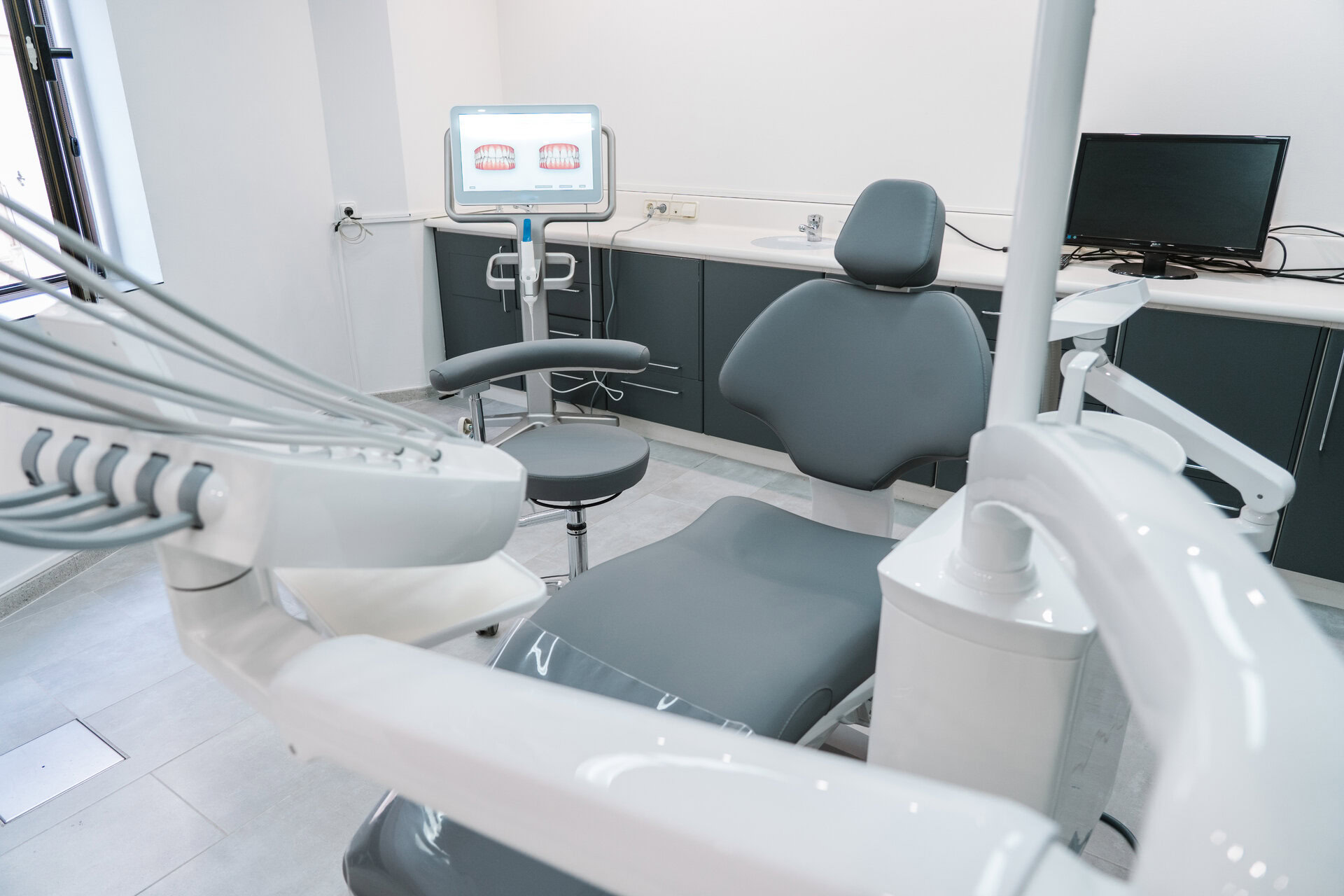
Dental treatment room at G Smiles Dentistry in Maumelle, AR

Detailed Imaging Before Treatment

CBCT imaging gives Dr. Graham a clear view of what's happening inside the tooth, so the diagnosis is based on a full picture, not just what's visible on the surface.

A Procedure Built Around Relief

The goal of endodontic treatment is straightforward: to relieve your pain by addressing the underlying cause, not just masking the symptom temporarily.

What Causes the Need for Treatment?

Deep decay, a cracked tooth, or repeated dental work on the same tooth can all lead to infection or inflammation inside the tooth’s pulp. Left untreated, this can cause significant pain and, in some cases, put the tooth itself at risk. Dr. Graham uses CBCT imaging to get a clear look at what’s happening beneath the surface, so the diagnosis is based on the full picture rather than guesswork.

Dentist using a dental model to explain treatment options
Dentist performing root canal therapy on a patient

What Actually Happens During Treatment

Root canal therapy removes the infected or inflamed tissue inside a tooth, cleans out the space it left behind, and seals it to prevent further infection. Dr. Graham walks patients through this process because understanding what’s happening often matters more than being told, “don’t worry.” The tooth is numbed just as it would be for a filling, and once treatment begins, most patients are surprised by how uneventful it feels compared to what they’d braced for. What they came in with, whether it was a lingering ache or sensitivity to temperature, is what the procedure is designed to resolve, not something they’ll need to manage afterward.

After Your Endodontic Treatment

Once the infection or damage is treated, the tooth often needs a crown or other restoration to protect it going forward, since a tooth that’s had endodontic treatment can become more brittle over time. Dr. Graham will walk you through what your specific tooth needs afterward, so you know what to expect beyond the appointment itself.

Dental X-ray showing the root canals inside a treated tooth

Frequently Asked Questions

A few common questions about endodontic treatment at G Smiles Dentistry.

The procedure itself is performed with the same numbing used for other dental treatments, so you shouldn’t feel pain during it. Any discomfort beforehand is typically from the infection, which the treatment resolves.

Symptoms like lingering pain, temperature sensitivity, or swelling can signal an infection. Dr. Graham will use imaging to confirm what’s going on and whether you need endodontic treatment.

Many teeth need a crown or other restoration afterward to protect them long-term. Dr. Graham will let you know what your specific case requires.

Ready to Love Your Smile?

If you’re dealing with a lingering toothache, don’t wait. Schedule a visit with Dr. Graham to find out what’s causing it and how endodontic treatment can help.

Book Appointment
Patient framing her smile with both hands